What you need to know about accounting for cloud computing
Businesses that enter into cloud computing arrangements have to consider the acceptable accounting treatment for the prices incurred.

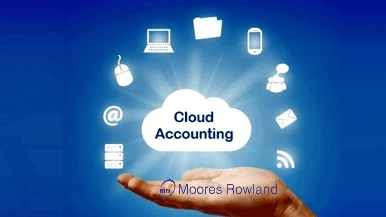
Businesses that enter into cloud computing arrangements have to consider the acceptable accounting treatment for the prices incurred.
Cloud computing has become increasingly popular in recent years as companies have explored efficient and secure ways to store, manage and process their data.
This type of arrangement is predicated on remote server networks, usually accessed over the web, with service models encompassing infrastructure, platforms, and software. The customer accesses and uses the software on an as-needed basis.
Transitioning to the cloud or implementing a replacement cloud computing arrangement can involve high costs for companies, and there are implications on how to account for these costs.
Accounting standards don't, however, provide explicit guidance on this. Businesses must use judgment and apply various IFRS standards, including IFRS 16 Leases and IAS 38 Intangible Assets.
Businesses stepping into these cloud computing arrangements must understand whether this is a purchase of an intangible, a right of use, or a contract to receive services. The financial reporting implications are significantly different betting on the solution. When the IFRS Interpretations Committee was asked, they guided to make the excellence.
Related
The Future of Accounting and Tax: How AI, Automation, and Regulation Are Reshaping the Profession (2025–2026)
Introduction The accounting and tax profession is undergoing one of the most significant transformations in its history. Artificial intelligence, automation, evolving regulatory frameworks, an...
Read more
Beyond Borders: How Global Tax Shifts Are Redefining Professional Services
Why This Matters Now The Global Minimum Tax: With over 130 countries agreeing to a 15% corporate minimum tax, multinational companies are revisiting their structures. Advisors who understan...
Read more
Why Auditors, Tax Advisors, and Consultants Are the Hidden Architects of the Future
They Don’t Just Count the Numbers—They See the Future Think auditors just tick boxes? Wrong. They read numbers the way meteorologists read weather patterns—spotting trouble before it arrives. ...
Read more